Caring for an ostomy can be a challenging yet fulfilling experience, not just for the people however additionally for caretakers and medical care experts involved in their care. With the ideal knowledge and skills, one can make certain that individuals with stomas lead a comfy and meeting life post-surgery. In this post, we will look into Essential Skills for Caring for an Ostomy: A Stoma Care Training Overview
What is an Ostomy?
An ostomy is a procedure that creates an opening (stoma) from an internal organ to the outside of the body. This treatment is usually needed when components of the digestive or urinary system systems are damaged or removed due to conditions like cancer cells, Crohn's condition, or extreme injury. Clients might have different kinds of ostomies, such as colostomy, ileostomy, or urostomy.
Understanding Stomas
A stoma can vary in size and shape relying on the kind of surgery carried out. It's essential to understand what a stoma is to offer effective care. The main objective is to handle the stoma's output while making sure that the skin bordering it stays healthy.
The Relevance of Stoma Care Training
Stoma treatment training equips caretakers with necessary abilities necessary for handling ostomies efficiently. This training typically integrates aspects like health techniques, psychological support, and technical skills pertaining to pouching systems.
Why Buy Complex Bowel Care Training?
For those involved in complex digestive tract management-- specifically under frameworks like NDIS (National Handicap Insurance Coverage Scheme)-- buying ndis complex bowel care training comes to be critical. This customized training ensures caregivers comprehend specific requirements comprehensively.

Overview of Stoma Care Training for Carers
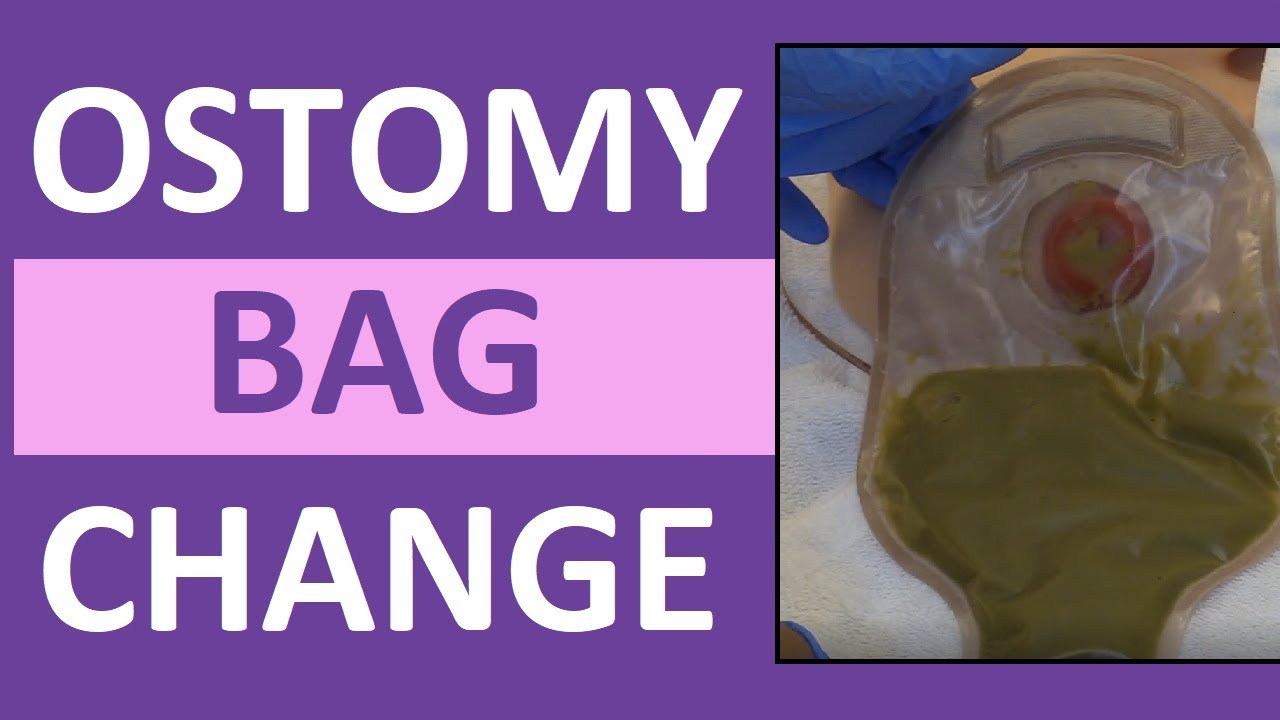
Stoma care training supplies caregivers with in-depth directions on how to take care of numerous circumstances related to ostomy care. This includes changing bags, identifying signs of problems, and providing emotional support.
Key Components of Stoma Care Training
- Hygiene Practices: Focus on keeping cleanliness. Pouch Management: Strategies for altering and safeguarding pouches. Skin Care: Protecting against inflammation around the stoma.
Benefits of Stoma Care Training
Enhanced Confidence: Trained caregivers really feel much more positive in managing ostomies. Improved Patient Outcomes: Better treatment brings about less complications. Emotional Assistance Skills: Learning how to supply mental assistance boosts total wellness.Complex Digestive tract Care Course
The term "complex bowel care" describes extensive management methods that address intricate bowel issues typically faced by individuals with ostomies or various other food poisonings. Registering in complex bowel care courses can considerably improve a caretaker's capability in this area.
What's Covered in Complex Bowel Care Courses?
- Understanding digestive tract physiology Assessing digestive tract function Nutritional advice particular to bowel health
Complex Bowel Care Training Explained
Complex bowel care training incorporates numerous topics critical for caretakers included with clients who have complex needs associating with their digestion and elimination processes.
Key Knowing Areas:
- Assessment techniques Complication recognition Effective communication techniques with medical professionals
Bowel Care Administration Strategies
Effective bowel care management includes organized strategies tailored per person's one-of-a-kind conditions and way of lives:
Routine Monitoring: Frequently checking stoma output. Diet Management: Recognizing which foods influence stoma function. Hydration Strategies: Ensuring sufficient liquid consumption is crucial.Caring for an Ostomy - Practical Tips
As we review looking after an ostomy, sensible suggestions come to be important:
Always wash hands prior to taking care of any equipment. Use skin barriers as required to protect versus irritants. Educate patients regarding their condition; knowledge encourages them.What Is Ostomy Care?
Find more informationOstomy care encompasses all practices involving the maintenance of a stoma and its surrounding locations-- including cleaning, device changes, and skin security measures.
Key Elements of Ostomy Care:
- Assessing stoma appearance regularly Managing nutritional constraints post-surgery Recognizing signs that require clinical focus
Frequently Asked Questions Concerning Stomas
1. How commonly should I transform my ostomy pouch?
Generally, it depends upon your outcome but a lot of people change their pouch every 3-- 5 days or earlier if there are leaks.
2. Can I swim with an ostomy?
Yes! Swimming is generally secure; just guarantee your pouch adheres well before getting in water.
3. Will certainly my diet plan change after obtaining an ostomy?
Yes, some foods may cause blockages or too much gas; consult your healthcare provider concerning nutritional standards post-surgery.
Essential Skills for Taking care of an Ostomy: Emotional Assistance Considerations
Providing psychological assistance is equally as crucial as physical treatment when it comes to taking care of an ostomy:
Listening Actively: Understand worries without judgment. Encouragement: Strengthening positive attitudes about living post-surgery aids improve self-esteem.Final Thoughts on Stoma Care Training
Investing time into learning more about stomas with dedicated training programs prepares you much better than ever before!
In final thought, understanding Essential Skills for Caring for an Ostomy: A Stoma Care Training Overview is critical not just for specialist caregivers however likewise relative that play important functions in providing daily aid after surgical treatment takes place.
By understanding what is entailed-- be it via comprehensive courses like NDIS complex bowel care training or hands-on practice-- individuals can navigate this journey extra confidently while making certain optimum wellness outcomes continue to be within reach!
This structure incorporates helpful material with practical advice customized specifically towards caregiving techniques related to ostomies while remaining involving throughout its delivery!